
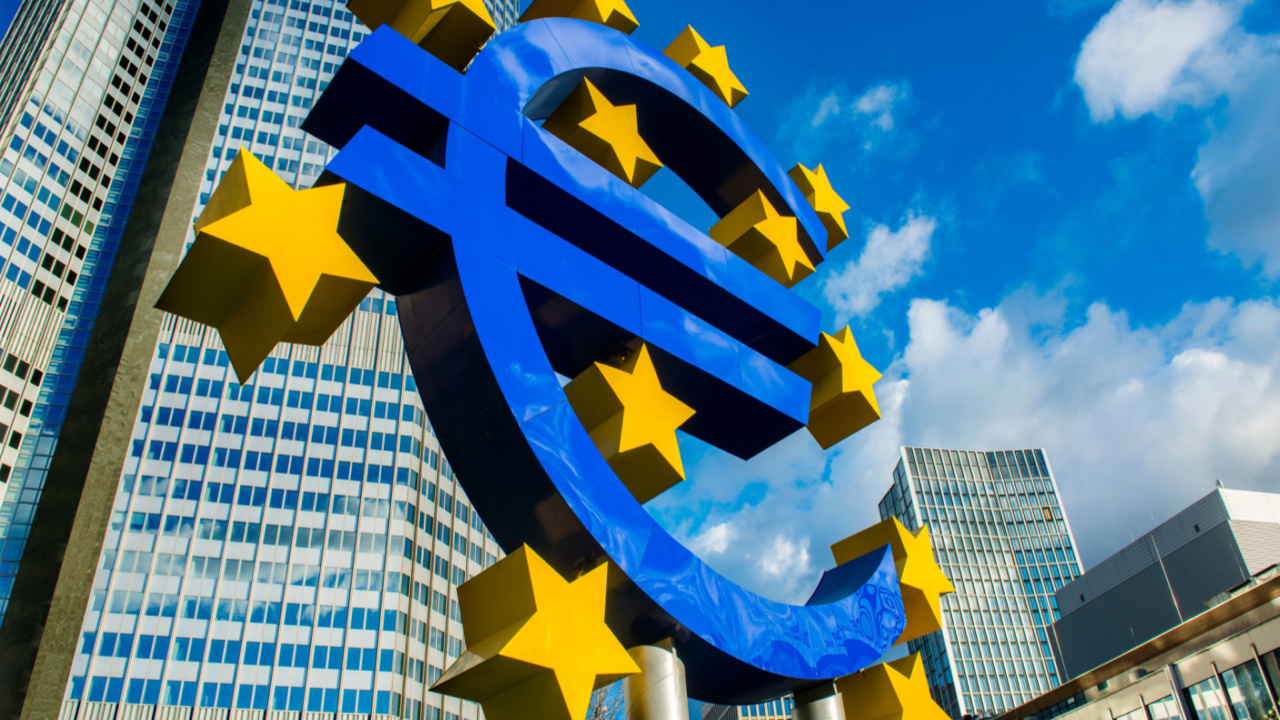
ECB Economists Suggest Limiting Access to Digital Euro to Protect Banks
A group of economists evaluating the potential effects of a digital euro have insisted that restricting access to the upcoming currency is necessary to preserve the current financial system. Their study follows an earlier proposal to limit digital euro deposits at the European Central Bank (ECB) to €3,000 per person. Limited Availability of Digital Euro Expected to Prevent It From Becoming Too Popular Europeans’ access to a digital euro should be restricted to prevent a flight of capital from deposits at commercial banks, according to a report published by the European....
Related News

Major EU banks, including ING, UniCredit, CaixaBank and BBVA, are no longer content to merely talk about a digital euro: they have grown bolder and are now racing to hunt down crypto partners to launch a bank‑grade euro stablecoin in 2026, as they gear up for the European Central Bank (ECB) digital euro pilot in […]
A consortium of major European banks has formed Qivalis, a new entity in Amsterdam to launch a euro-pegged stablecoin in 2026. A Tenth Bank Has Now Joined The Euro Stablecoin Consortium Back in September, nine big European banks announced a consortium aimed at developing and launching a euro-based stablecoin, a digital asset that will have […]

The central bank said it will reach a decision on releasing a digital euro "towards the middle of 2021." In an interview today, Fabio Panetta, executive member of the European Central Bank said the ECB may only allow digital euro holdings “up to a certain threshold” but added that the rollout of the central bank digital currency was unlikely to cause banks to lose deposits. Specifically, Panetta said that this threshold “could be around €3,000” — worth roughly $3,600 — which he said would still meet most people’s cash needs. He added that these figures were ”still under discussion” and....

An executive member at the European Central Bank says a digital euro could protect the Eurozone's monetary sovereignty from outside influence.

Global investment banks Goldman Sachs and JPMorgan have predicted an imminent recession in the euro area. “The risks to our forecast are skewed toward a sharper recession in the event of an even more severe disruption of gas flows, a renewed period of sovereign stress or a U.S. recession,” said the economists at Goldman Sachs.
Goldman Sachs’ Predictions
Two major global investment banks, Goldman Sachs and JPMorgan, released reports Wednesday, independently predicting an impending recession in the euro area.
Goldman Sachs’ analysts, led by....